The Flat Season Produces the Biggest Fields and the Most Place Betting Opportunities
 Available in US

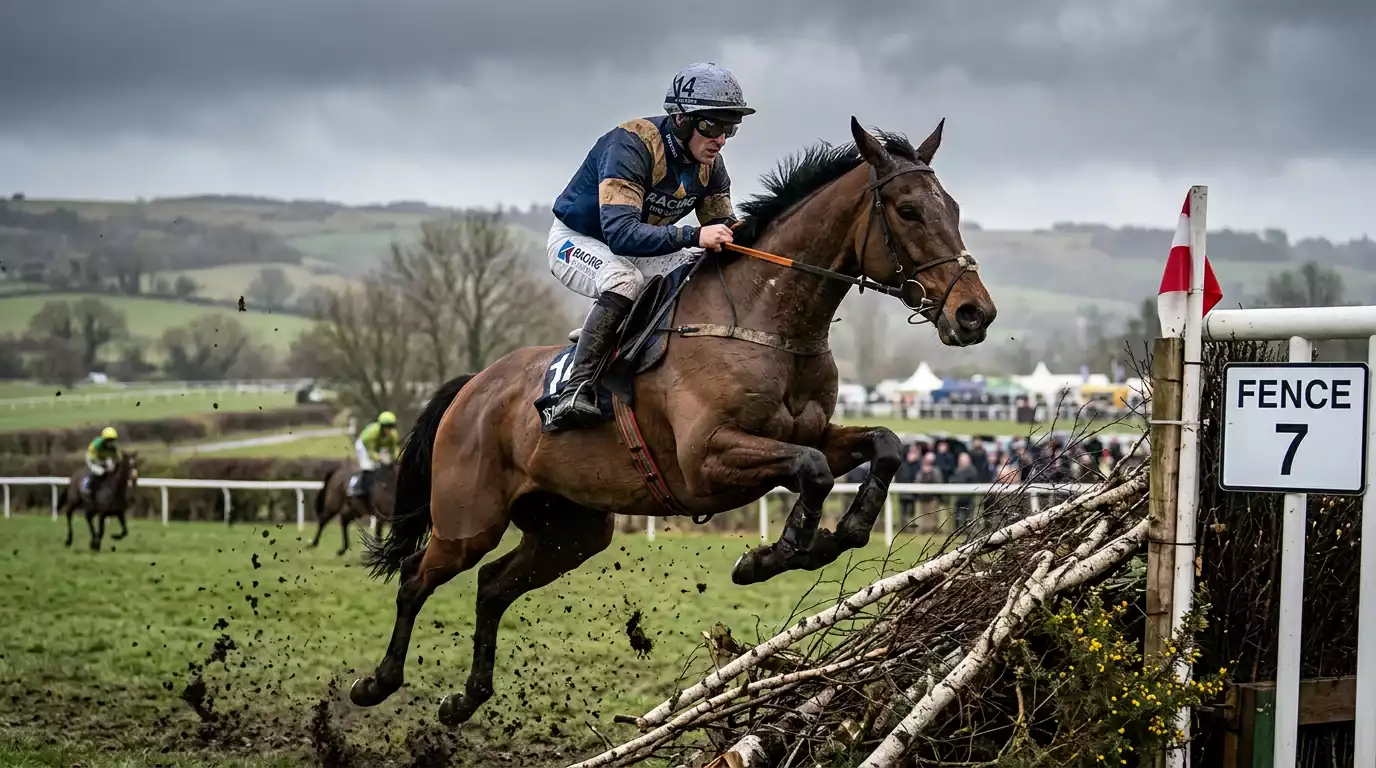
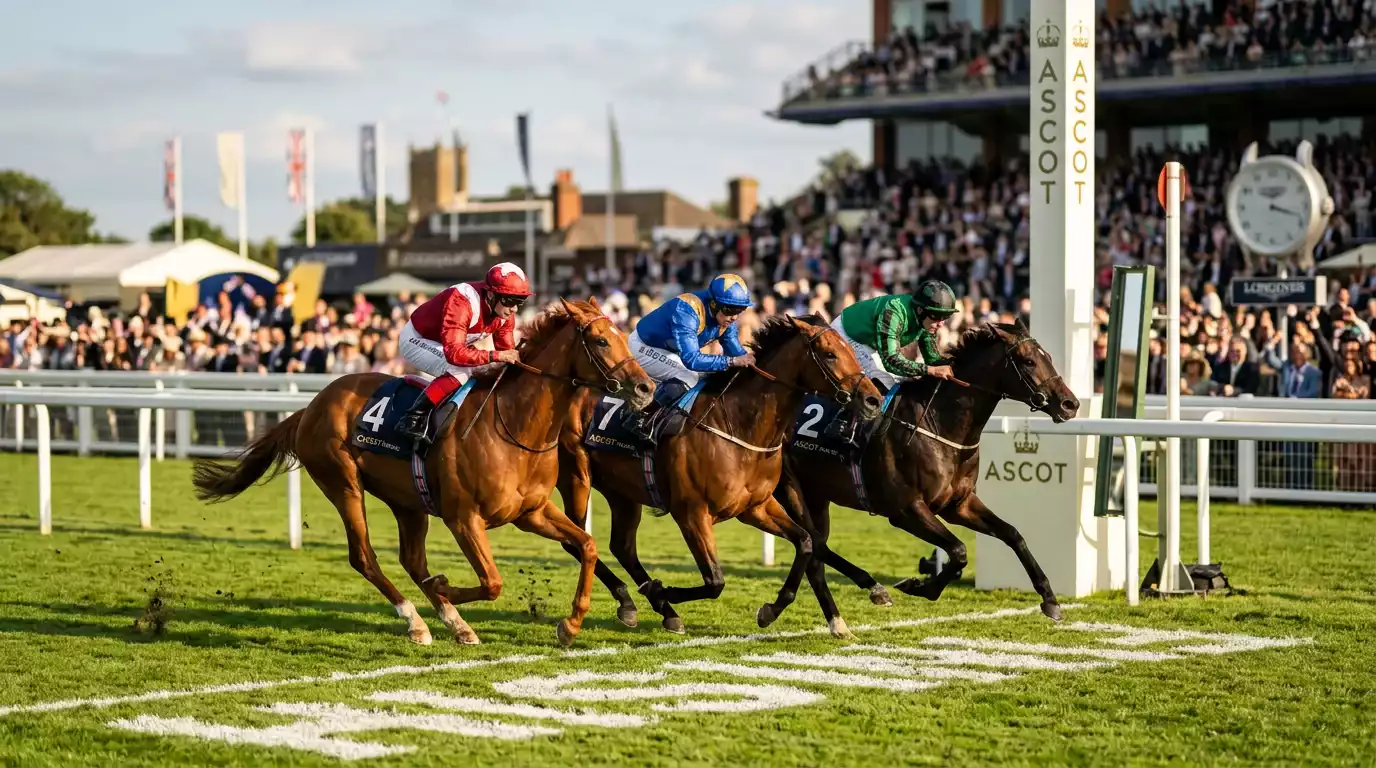
My best months for place betting are always June through September. Not because I suddenly become a better judge of a horse, but because the Flat season delivers what the place bettor needs: big fields, competitive handicaps, multiple meetings per day, and ground conditions that produce the most predictable form patterns. When average Flat field sizes sit at 8.90 — a full runner higher than the 7.84 average for Jumps — the Flat calendar offers a structurally better environment for place betting than any other period of the racing year.
The Flat season in Britain runs from late March through November, with the all-weather tracks providing year-round coverage. But the turf season — from April’s Craven meeting at Newmarket through October’s Champions Day at Ascot — is where the biggest field sizes, the richest handicaps and the most aggressive bookmaker promotions concentrate. Understanding the seasonal rhythms of UK Flat racing is not a luxury for place bettors; it is the framework within which a profitable strategy is built.
See also: place bet horse racing for seasonal strategies and tips.
Flat Field Sizes and the Four-Place Threshold
The magic number for place bettors is 16. That is when the standard terms shift from three paid places to four at 1/4 odds. On the Flat, 16-runner races are common — heritage handicaps at the major meetings routinely hit 20 or more, and the big sprint handicaps at York, Ascot and Newmarket regularly fill to capacity.
I tracked every UK Flat handicap with 16 or more runners across the 2025 turf season and counted 187 races. That is roughly one per racing day during the turf season — not a huge number, but enough to build a seasonal strategy around. Within those 187 races, average field size was 19.4, which means four places were paid in every one, and bookmakers frequently enhanced terms to five or six places on the most high-profile fixtures.
The Flat handicap is the bread and butter of place betting for a reason: the handicapper’s job is to compress the field so that every runner has a theoretical chance, the draw and pace biases create non-form variables that increase randomness, and the distances — five furlongs to two miles — cover a wide range of race dynamics. Sprint handicaps with 20 runners over six furlongs at Haydock produce a fundamentally different place betting challenge to the two-mile handicap at Ascot, and that diversity within a single season is what keeps the strategy interesting and the edge exploitable.
Key Flat Handicaps for Place Bettors
Certain races appear on my calendar every year because they consistently produce the field sizes and conditions that place bettors need. These are not the Classic races or the Group 1 features — those tend to have small, select fields. The place bettor’s Flat season revolves around the big handicaps.
The Lincoln at Doncaster opens the turf season in late March with a 1-mile handicap that typically draws 18-22 runners. It is the first opportunity each year to bet on a large-field turf handicap, and the market is often generous because the form lines are untested on the new season’s ground. The Cambridgeshire at Newmarket in late September is the autumn equivalent — another mile handicap that regularly hits 30+ runners and offers some of the most competitive place betting of the year.
Between those bookends, the major festivals stack the calendar. The Epsom Derby meeting in June, Royal Ascot the same month, the July meeting at Newmarket, Glorious Goodwood in August, the Ebor festival at York and Doncaster’s St Leger meeting in September all include heritage handicaps with six-figure prize funds that attract maximum fields. Favourites win just 33% of these large-field races, meaning 67% of the time the win goes to a horse at bigger prices — and the place frame captures many of those at remunerative odds.
The all-weather season runs parallel, with Lingfield, Kempton, Wolverhampton, Chelmsford and Newcastle staging daily meetings. Field sizes on the all-weather are typically smaller — 8-12 runners is the norm — but the consistency of the surface eliminates the going variable, which makes form more reliable and place strike rates more predictable. For punters who prefer data-driven approaches over subjective judgement, the all-weather offers a cleaner dataset to work with, even if the individual opportunities are less lucrative than the big turf handicaps.
Going and Draw: The Flat-Specific Variables That Determine Place Value
Two variables dominate Flat place betting in ways that do not apply — or apply differently — in National Hunt racing.
The draw. On straight-course races up to a mile, the starting stall position influences finishing positions in measurable ways. At Chester, the tight left-handed turns give low draws a persistent advantage. At Beverley over five furlongs, the camber favours the far rail. At Ascot’s straight mile, the stands rail bias fluctuates with the moisture content of the ground. I maintain a draw bias table for the 15 Flat tracks that stage the most handicaps, updated each season with the latest strike rate data by stall position. The draw is one of the few variables in racing that is both measurable and predictive, and in large-field Flat handicaps, ignoring it costs money.
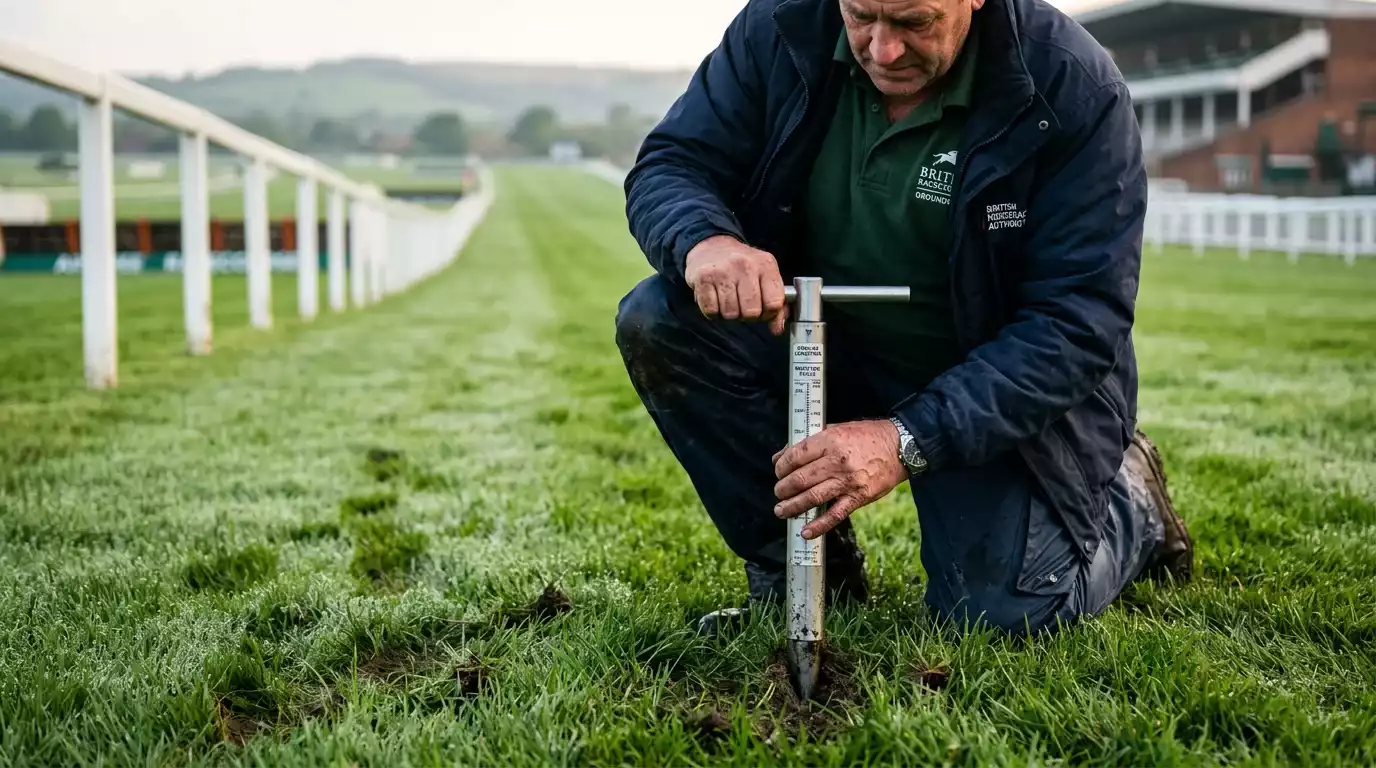
The going. Good-to-firm and good ground produce the most predictable form on the Flat. Favourites place at around 50% or above on good going, and form horses repeat their best efforts more reliably when the surface is consistent. Soft and heavy ground increases the variance — stamina becomes more important than speed, front-runners tire, and horses with proven soft-ground form become disproportionately valuable. I adjust my place betting staking on soft ground: smaller individual stakes, wider selection pools, and a higher threshold of evidence before backing any horse.
The combination of draw and going is where the sharpest edges sit. A large-field Flat handicap on good ground at a track where the draw bias is well-documented is the most fertile ground for systematic place betting that exists in UK racing. The seasonal companion to this analysis — covering the different dynamics of place betting over jumps — is the jump season place betting guide.
See also: boost your returns with extra places offers from UK bookmakers.
FAQ
Are Flat races or Jump races better for place betting?
Flat races typically offer more opportunities for place betting because average field sizes are larger (8.90 versus 7.84 for Jumps), which means more races hit the 16-runner threshold for four paid places. The bigger heritage Flat handicaps regularly produce 20+ runner fields with enhanced place terms from bookmakers. Jump racing offers its own advantages — form can be more reliable in small fields and certain festival races produce excellent place value — but the volume of large-field opportunities is greater on the Flat.
Which Flat meetings offer the largest handicap fields for place bets?
Royal Ascot, the Ebor Festival at York, Glorious Goodwood, the Cambridgeshire meeting at Newmarket, the Lincoln meeting at Doncaster and the Derby meeting at Epsom consistently produce the largest handicap fields on the Flat calendar. Heritage handicaps at these meetings routinely attract 20 or more runners and carry the highest prize funds, which is the primary driver of field size.
Created by the ”Place bet Horse Racing” editorial team.