Large Fields Give Place Bettors an Edge — If You Know Where to Look
 Available in US
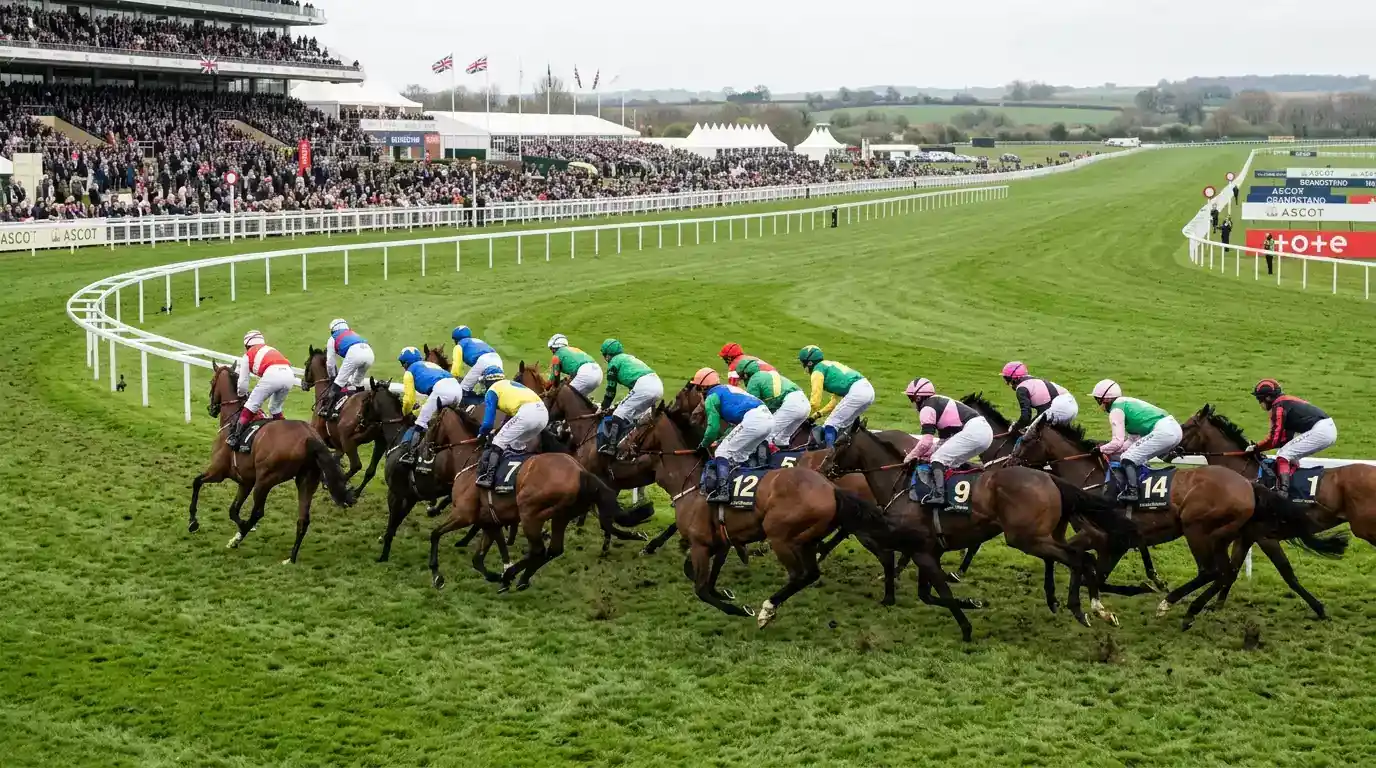
The most profitable place bet I ever made was on a 22-runner Flat handicap at Newmarket’s Cambridgeshire meeting. I backed a 14/1 shot to place at 1/4 odds. It finished fourth — dead last of the qualifying positions. The return was 7/2 plus stake, which on a 25-pound bet came to 112.50. What made it profitable was not luck but process: large-field handicaps produce a specific set of conditions that, if you know how to read them, tilt the value equation in the place bettor’s favour.
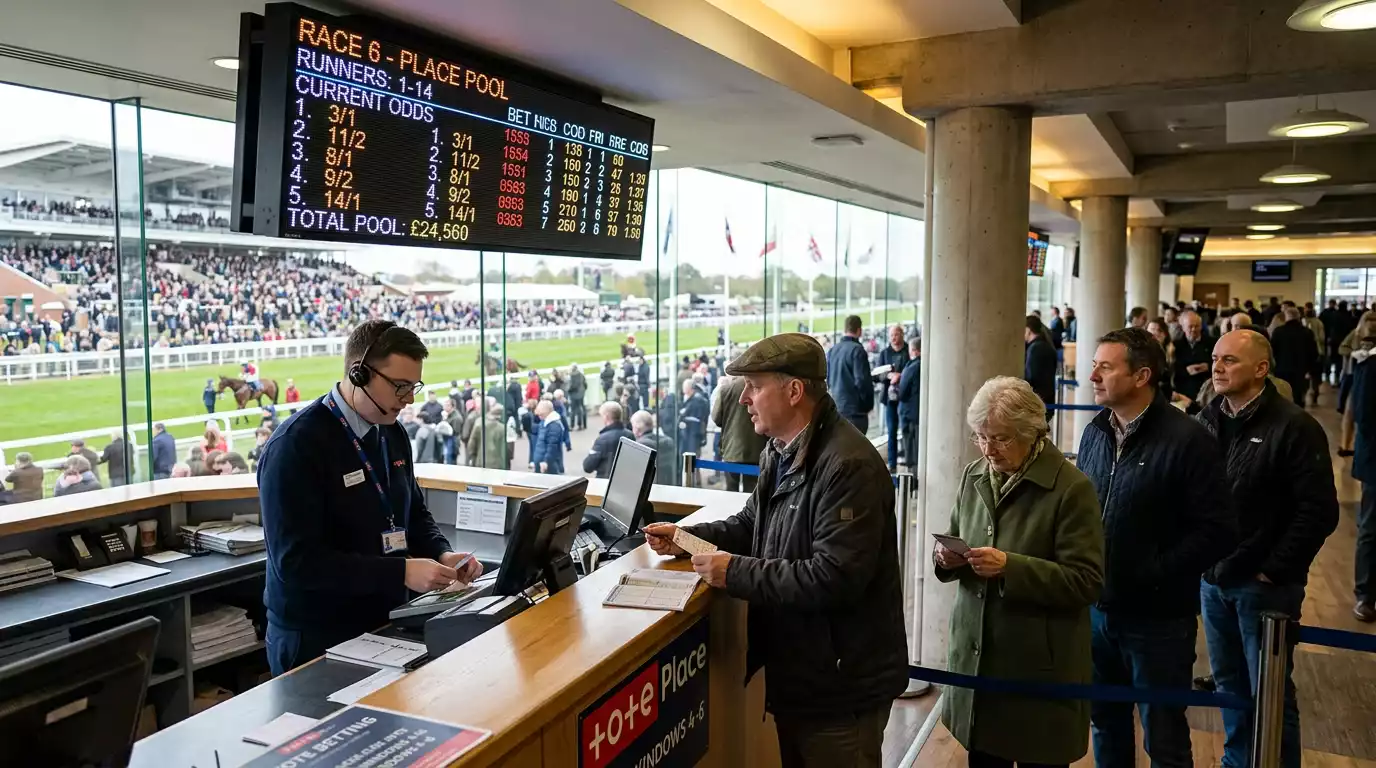
Average field sizes in UK Flat racing sit at 8.90, but handicaps at the major meetings regularly double that. When a field hits 16 or more runners, the place terms shift to four paid places at 1/4 odds — and that fourth place is where the structural edge lives. In a 20-runner field, four places covers just 20% of the runners, yet the favourite wins only about 33% of the time in large-field races compared to over 80% in small ones. That dispersion creates opportunities for horses that have no realistic chance of winning but every chance of finishing in the top four.
See also: place bet horse racing for field-size strategies and tips.
The Four-Place Advantage: How 16+ Runners Change the Probability
I built a model three years ago that tracks the probability of a horse finishing in the places across different field sizes. The results confirmed what I had long suspected: the four-place threshold at 16 runners creates a genuine structural advantage for place bettors that does not exist at smaller field sizes.
In an 8-runner race with three places, you are covering 37.5% of the field. In a 12-runner race with three places, that drops to 25%. But in a 20-runner handicap with four places, you are covering 20% of the field with the added benefit that the race is genuinely open — the form is harder to read, the handicapper has compressed the ability range, and pace and draw play a larger role than pure ability. All of those factors increase randomness, and randomness is the place bettor’s friend in a large field.
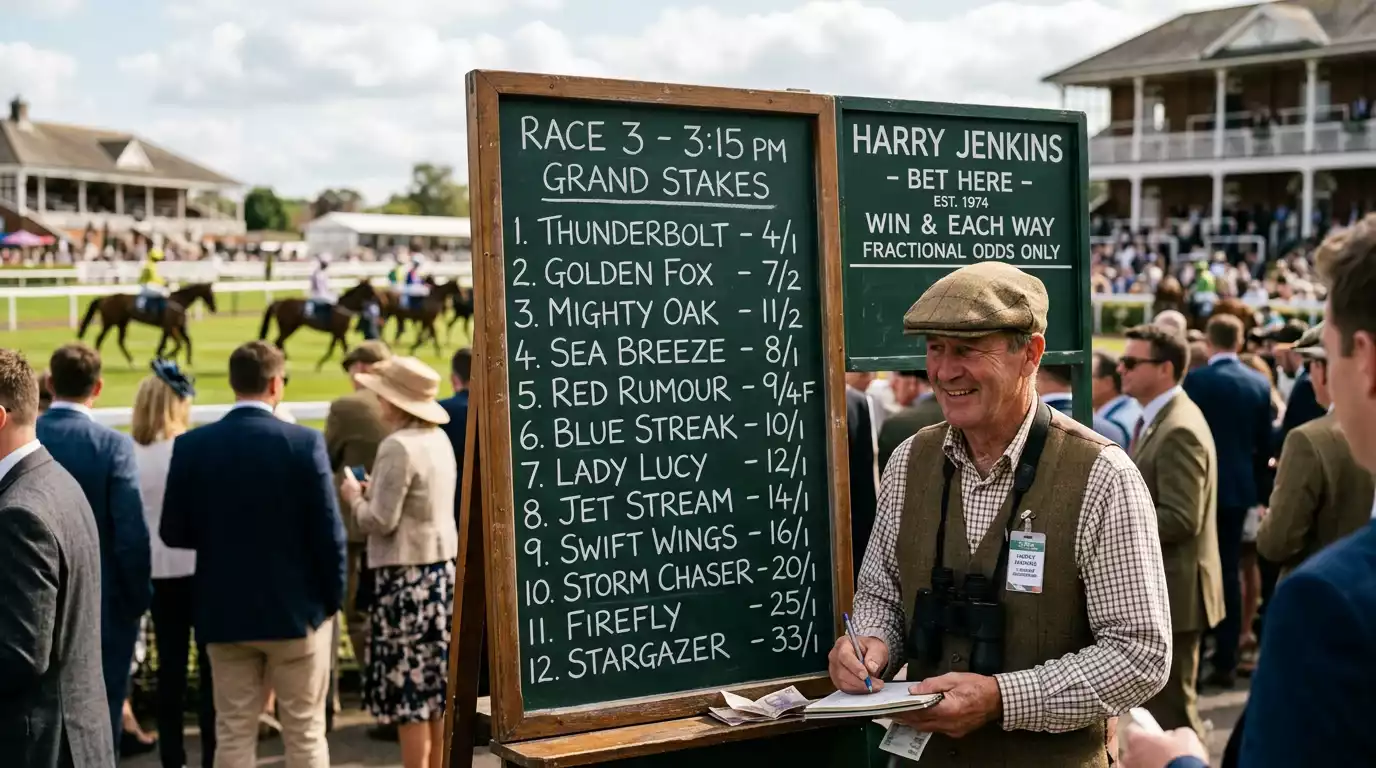
Favourites in large-field handicaps win at roughly 33%, but their place strike rate is higher — typically around 55-60% depending on the field quality. That sounds like favourites are still a safe place bet in big fields, and they are in terms of strike rate, but the odds rarely justify the outlay. A 3/1 favourite in a 20-runner handicap has place odds of roughly 3/4 — you are risking 4 pounds to win 3. The strike rate needs to exceed 57% to break even at those odds, and over a large sample, favourites in competitive handicaps sit right on or just below that line. The real value is further down the market, in the 8/1 to 20/1 range, where the place odds offer genuine profit potential and the strike rates, while lower per individual horse, are high enough to sustain a positive edge if you select carefully.
Which Horse Profiles Place Best in Big-Field Handicaps
Nine years of tracking UK handicaps has taught me to look for a specific set of characteristics in horses that place regularly in large fields, regardless of whether they ever threaten to win. These profiles differ meaningfully from the profiles that predict winners.
Consistent finishers with a high “in the frame” rate are the backbone of a large-field place strategy. A horse that has finished in the first four in 6 of its last 10 starts, even if it has not won any of them, is a more reliable place bet than one that has won once and been unplaced nine times. The form book tells you which horses find a way to get into the argument without necessarily closing the deal. Those are your place candidates.
Course and distance form matters disproportionately in handicaps. A horse that has placed three times at Newmarket over a mile is far more likely to place again at Newmarket over a mile than a horse trying the track for the first time. Track configuration, camber, undulations and run-in length all favour certain running styles, and horses that have demonstrated they handle a specific track carry a structural advantage in the place frame.
Going preferences interact with place strike rates in measurable ways. Favourites place at around 50% or above on good going but only about 20% on heavy, and the same pattern holds across the field. On soft or heavy ground, form becomes less predictive, front-runners tire earlier, and closers benefit from the attritional pace. If you are betting place in a large-field handicap on soft ground, look for horses with proven stamina that tend to run on at the finish rather than horses whose form is best on a sound surface. The ground separates place bettors who check and those who guess.
Pre-Bet Filters: Draw, Pace and Course Form
Before I stake anything on a large-field handicap, I run through three filters in sequence. Each filter is a gate: if the horse fails one, I move on regardless of how attractive the odds look.
Draw. At most UK Flat tracks, the draw has a measurable impact in races over distances between five furlongs and a mile, particularly in large fields where the runners tend to split into groups. At Chester, low draws dominate. At Beverley over five furlongs, high draws hold the edge. At Ascot’s straight mile, the stands rail bias fluctuates with the going. I keep a simple spreadsheet for the 15 tracks that stage the most handicaps, noting which draw positions have the highest place strike rate over the past three seasons. A horse drawn in a consistently disadvantaged stall needs to be significantly better on form than its rivals to overcome the positional deficit. Most of the time, it is not worth the gamble.
Pace. Large-field handicaps with a strong pace bias produce more predictable place outcomes. When three or four front-runners compete for the lead, the early pace is fast, and closers benefit. When only one horse wants to lead, the pace can be pedestrian, and the race develops into a sprint over the final two furlongs where early position determines the places. I look at the likely pace scenario before the race and assess whether my selection’s running style matches. A strong closer in a race with a contested lead is a good place bet. A strong closer in a race with only one leader is a poor one.
Course form. I have already mentioned this, but let me quantify it. In my dataset, horses with at least two previous place finishes at the same course in large-field handicaps (16+ runners) have a place strike rate approximately 12 percentage points higher than the field average. That is an enormous edge in a market where the difference between profit and loss over a season is often 3-5 percentage points. Course form is the single most predictive filter I have found for large-field place betting, and I weight it more heavily than official rating, trainer form or jockey booking. The full framework for applying these filters within a broader place bet strategy connects the large-field approach to the rest of the season’s betting.
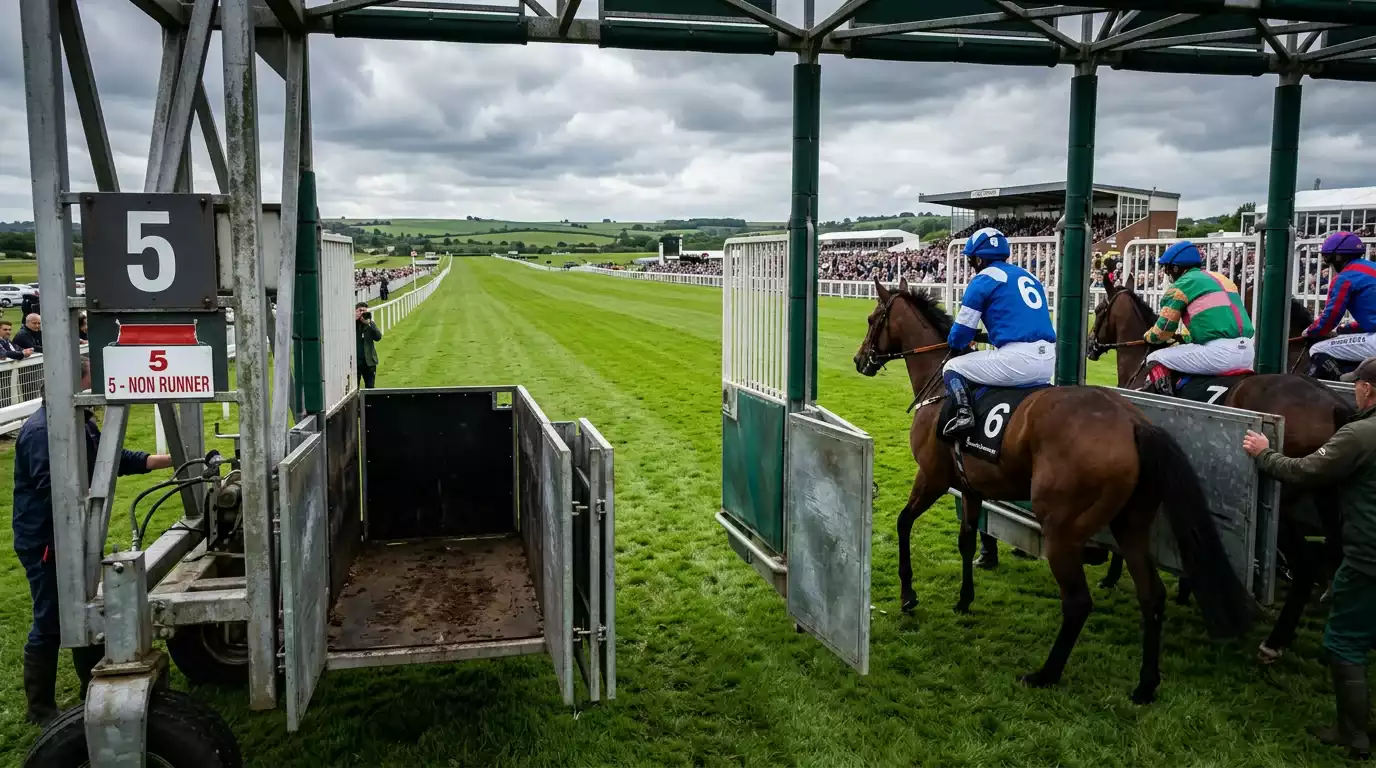
See also: withdrawals can change your bet — read our non-runner rules guide.
FAQ
Does the draw bias affect place betting in large-field Flat handicaps?
Yes, significantly. At many UK Flat tracks, the draw influences finishing positions in races up to a mile, particularly in large fields where the runners tend to split into groups. The effect varies by course — low draws dominate at Chester, while high draws hold an edge at Beverley over sprint distances. Checking the historical draw bias for the specific track and distance before placing a large-field place bet is one of the most effective pre-bet filters available.
Are outsiders or mid-range horses better place bets in 20+ runner fields?
Mid-range horses in the 8/1 to 20/1 win odds bracket typically offer the best place value in large-field handicaps. Outsiders at 25/1 and longer provide attractive place odds but their strike rates are too low to sustain long-term profit. Short-priced favourites have high place strike rates but the odds rarely justify the risk. The mid-range band balances reasonable place odds with place strike rates that can deliver positive expected value over a full season.
Created by the ”Place bet Horse Racing” editorial team.