Going Ground Separates Profitable Place Bets from Losing Ones
 Available in US
I lost money for three consecutive months in the winter of 2021 before I identified the problem: I was ignoring the going. My selection process was built on form figures, trainer statistics and jockey bookings — all useful, but none of them captured the single variable that explained more of my losing bets than any other. Horses that placed reliably on good ground were failing to place on soft. Horses I had dismissed as moderate were finishing in the frame when the ground turned heavy. The going was the missing filter, and adding it to my process was the most profitable change I have ever made.
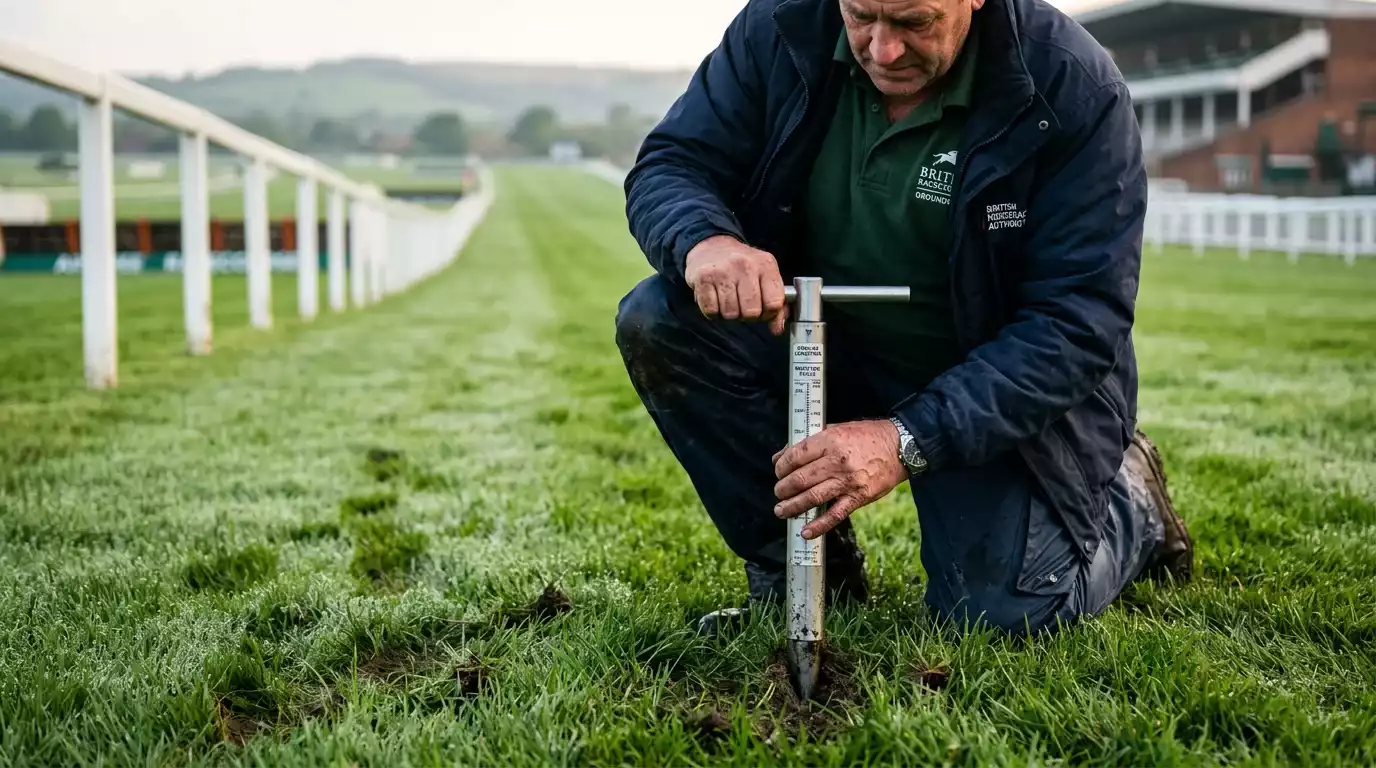
Going — the official description of the ground conditions at a racecourse on race day — is recorded on a scale from firm through good to soft and heavy, with intermediate stages (good to firm, good to soft, soft to heavy) filling the gaps. The BHA clerk of the course measures the going using a penetrometer (going stick) and reports it on the morning of racing, with updates throughout the day if conditions change. For place bettors, the going determines which horses are advantaged, which are disadvantaged, and how predictable the finishing order is likely to be.
The Going Scale and What Each Grade Means for Place Betting
Each going description carries specific implications for place strike rates, field competitiveness and the type of horse that tends to finish in the frame.
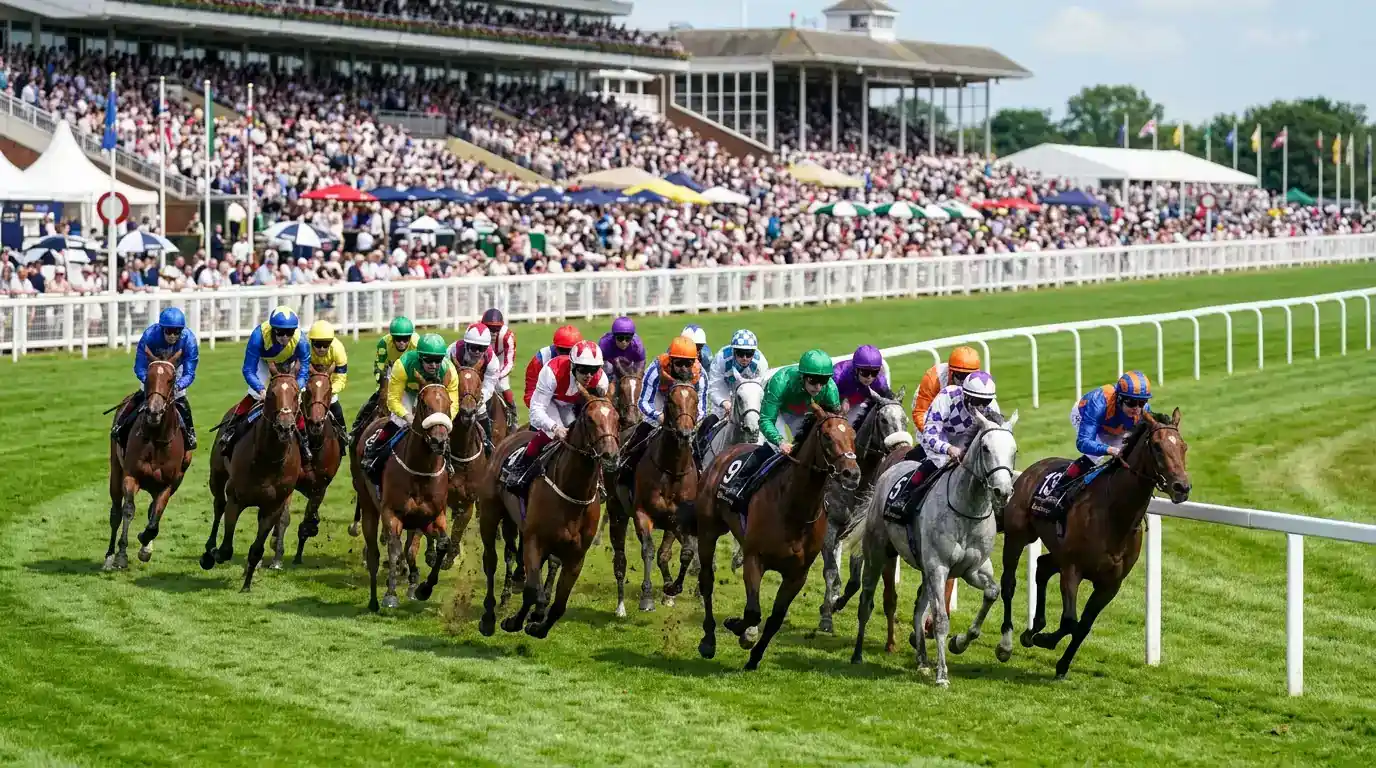
Firm and good-to-firm ground favours speed. Flat races on quick ground are typically won by horses that travel close to the pace and quicken in the final furlong. Place strike rates for favourites are at their highest on this going — around 50% or above in races with three paid places. For place bettors, firm ground is the most predictable surface: form is reliable, the best horse usually runs to its rating, and upsets are relatively rare. The downside is that the predictability is priced in. Bookmaker margins tend to be widest on firm-ground favourites because the outcome distribution is narrowest.
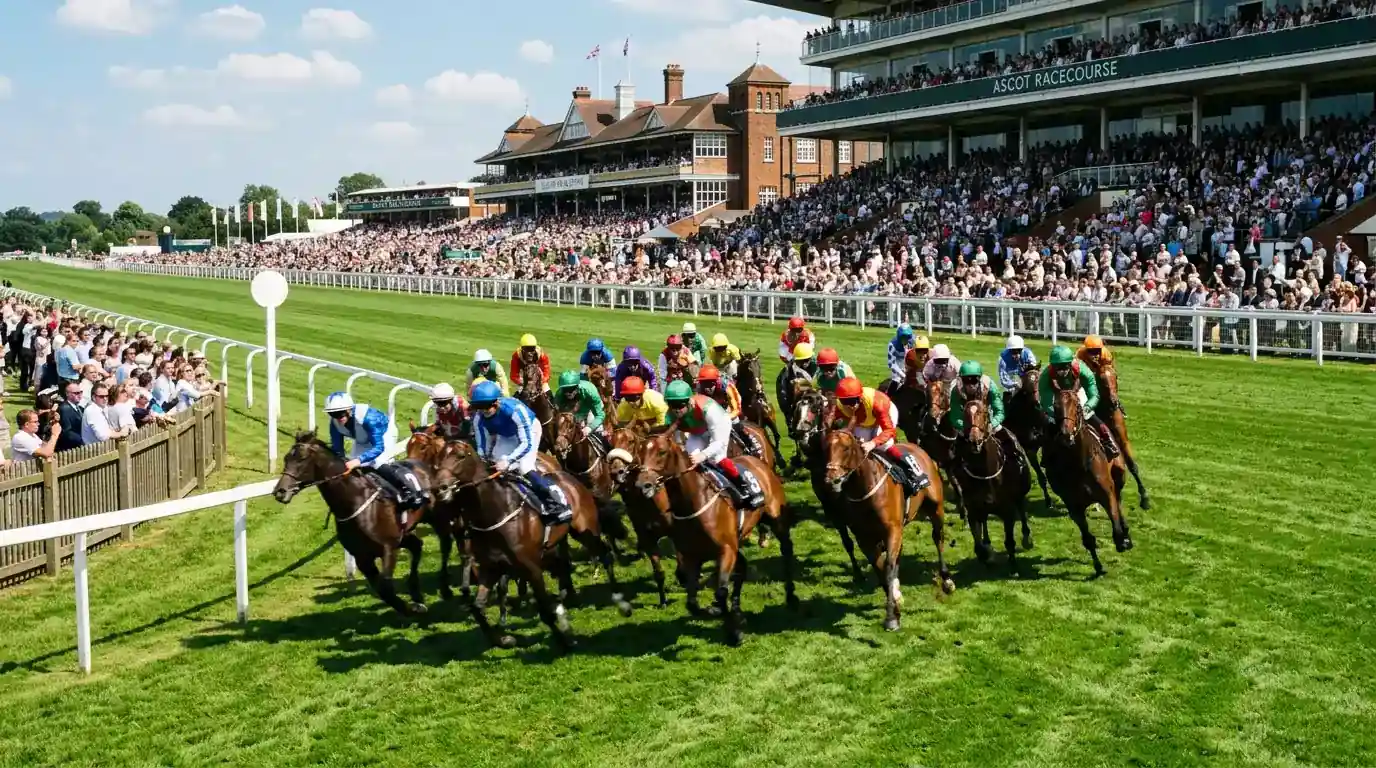
Good ground is the neutral surface. It neither advantages speed horses nor stamina horses disproportionately. Form figures compiled on good ground are the most transferable across tracks and distances. For place bettors, good ground offers the widest selection pool because most horses in training have form on good going, and the going itself does not eliminate any running style. I do more of my seasonal place betting volume on good ground than on any other surface, because the balance of predictability and value is most favourable.
Good-to-soft and soft ground begins to shift the advantage toward horses with stamina. Front-runners expend more energy maintaining pace, closers benefit from a slower tempo, and horses with big, round actions that cope well in testing conditions gain a physical advantage. Favourites place at a lower rate on soft ground — approximately 20% or below in some race categories — because the form on firmer surfaces does not translate reliably. For place bettors, soft ground widens the outcome distribution, creating more upsets and more value on horses that the market has underestimated because their faster-ground form looks moderate.
Heavy ground is the great equaliser. On heavy going, ability matters less and endurance matters more. Races are attritional, sectional times slow dramatically, and the finishing order can look nothing like the pre-race market suggests. I treat heavy ground as a separate sport from racing on good ground. My staking is lower, my selection criteria shift entirely toward proven heavy-ground form and stamina, and I focus on races where at least half the field has run on similar ground before. The payoff for that caution is that heavy-ground place bets, when they land, tend to pay well, because the market systematically underprices horses whose only strong form is on testing surfaces.
Going and Place Strike Rate: The Numbers That Changed My Approach
When I first built a going-adjusted model, the most striking result was the magnitude of the difference. Across three seasons of UK racing, favourites placed at approximately 50% or above on good or firmer ground and approximately 20% on heavy. That is not a marginal effect — it is a 30-percentage-point swing based on a single variable.
The effect is not limited to favourites. Across the full market, horses with at least two previous place finishes on soft or heavy ground had a place strike rate on soft or heavy that was 15 percentage points higher than horses attempting the going for the first time. That gap is the going filter’s edge: it identifies horses that the form book undervalues because their headline figures (compiled mostly on firmer surfaces) look unimpressive, but whose going-specific record shows consistent placing ability in conditions that eliminate less adaptable rivals.
Average Flat field sizes of 8.90 include a mix of going conditions, and the going distribution varies by season: the spring and autumn turf seasons see more soft ground, while the midsummer period is predominantly good or firmer. For place bettors, this seasonal pattern creates predictable windows of opportunity. In April and October, when soft ground is most common, the market’s default reliance on form compiled on summer ground creates systematic pricing errors. Horses with proven soft-ground credentials are underpriced relative to their true place probability, and identifying those horses before the market adjusts is the simplest edge the going filter provides.
Practical Filters: Using the Going Report Before You Bet
Every morning, I check the going report before I look at a single racecard. The BHA publishes the official going for each course by 8am on the day of racing, with updates possible at any time if rain falls or the ground dries. I use this information in a three-step process that eliminates horses before I consider any other factor.
Step one: check the official going. If the ground is soft or worse, I immediately filter to horses with at least one previous run on soft or heavy. Horses without that experience are removed from my selection pool regardless of their form on other surfaces. The attrition rate of first-time soft-ground runners is too high to justify the risk.
Step two: check the going history of each remaining horse. I want to see not just that the horse has run on the going, but that it has placed on it. A horse that ran on soft ground three times and finished last on every occasion is not a soft-ground horse — it is a horse that has been tried on soft and found wanting. The form must show competence on the surface, not just exposure to it.
Step three: assess how the going interacts with the race dynamics. On soft ground, the pace is slower, which favours closers. If the race has a strong pace bias because multiple front-runners are drawn together, the soft ground amplifies that bias — the leaders tire faster and the closers gain more ground in the final furlong. Conversely, if only one horse wants to lead, it can control the pace on soft ground and steal the race. I assess the likely pace scenario in the context of the going before making any staking decision.
This three-step filter takes five minutes per race and eliminates roughly 40% of the field in soft or heavy conditions. The horses that survive the filter are not guaranteed to place, but their probability of placing is materially higher than the unfiltered field average. Over a full season, the going filter has been my single most effective pre-bet tool, and I rate it above draw analysis, trainer form and jockey statistics in its contribution to my place betting returns. The broader strategic framework for applying this and other filters is detailed in the place bet strategy guide.
FAQ
Where can I check the official going report before placing a bet?
The BHA publishes the official going for each racecourse on its website and through the Racing Post, Timeform and AtTheRaces platforms by 8am on race day. The going can be updated throughout the day if conditions change — check for updates closer to the race if rain is forecast. Most bookmaker apps also display the current going alongside the racecard. The clerk of the course may also issue non-runner announcements linked to ground changes, which can affect field sizes and place terms.
Do place bets on heavy ground offer better odds to compensate for unpredictability?
Yes, indirectly. On heavy ground, the market’s uncertainty is reflected in longer odds across the field and a more even distribution of prices, because the form is less reliable and favourites are less dominant. This wider price distribution means place odds on mid-range horses tend to be longer than on firmer surfaces. The trade-off is that heavy ground increases the variance of outcomes, so while the odds are better, the strike rate on any individual selection is lower. The net effect is positive for punters who select specifically for heavy-ground ability.
Prepared by the Place bet Horse Racing editorial staff.